


Inside the Land of the Rising Lifespan
Barbara Cox-Lovesy on the cultural foundations of Japan’s remarkable longevity
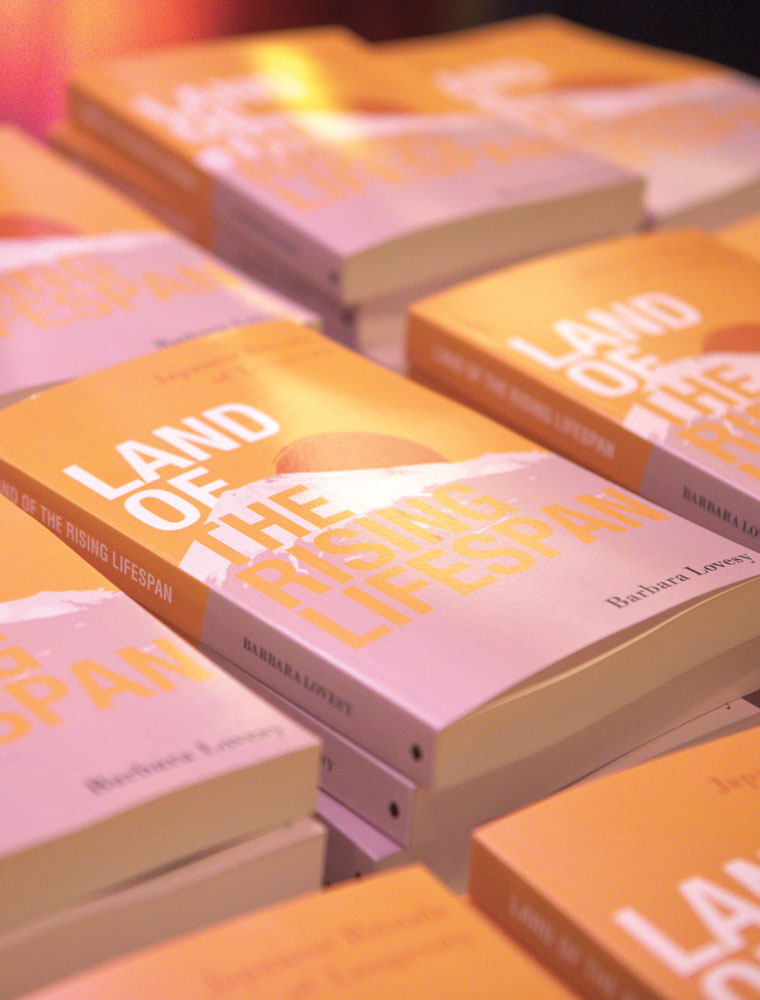
In Land of the Rising Lifespan, available now on Amazon, Barbara Cox-Lovesy invites readers into the heart of a culture where longevity is not a medical achievement but a way of life. Drawing from her time living in Japan and her deep fascination with the country’s remarkable life expectancy, she uncovers the subtle, everyday practices that help its people thrive well into old age. Through insights on purpose, community, humour, and mindful living, Cox-Lovesy reveals that the secret to a longer, more fulfilling life isn’t found in a single habit — but in a lifestyle rooted in intention and connection.
What inspired you to write Land of the Rising Lifespan?
I was fascinated by how Japan consistently ranks among the top countries for life expectancy. After living in Japan and observing the culture firsthand, I wanted to explore the deeper reasons — not just diet and healthcare, but also mindset, community, and purpose.
What’s the biggest misconception people have about Japanese longevity?
Many assume it’s just about eating fish and rice. While diet plays a role, it’s the combination of ikigai (a sense of purpose), strong social ties, and daily movement that truly sets Japan apart. Longevity is a lifestyle, not a prescription.

You mention “micro-habits” in the book. Can you give an example?
Absolutely. One example is the practice of hara hachi bu — eating until you’re 80% full. It’s a simple habit, but over a lifetime, it reduces overeating and supports metabolic health. Another is walking or biking daily, even into old age.
How does community influence lifespan in Japan?
Community is everything. In places like Okinawa, elders are deeply integrated into society. They have moai — social groups that provide emotional and financial support. This sense of belonging reduces stress and keeps people mentally engaged.
What can Western cultures learn from Japan’s approach?
We can learn to slow down, prioritize connection, and find joy in simplicity. It’s not about copying Japanese life, but about adapting the principles: eat mindfully, move naturally, stay socially active, and live with purpose.
Did anything surprise you during your research?
Yes — how much joy and humour older Japanese people have. Aging isn’t feared; it’s embraced. Many centenarians still garden, dance, or even run businesses. That vitality reshaped how I think about aging.
What’s one takeaway you hope readers remember?
That longevity isn’t about avoiding death — it’s about living well. Small, consistent choices, rooted in culture and community, can lead to a longer, more fulfilling life.
How does Japan’s approach to aging differ from Western cultures?
In Japan, aging is seen as a natural and honourable part of life. Elders are respected and often remain active in their communities. There’s less emphasis on anti-aging and more on graceful aging — staying engaged, eating well, and maintaining purpose.

What role does food play in Japanese longevity?
It’s central. The Japanese diet is rich in vegetables, fermented foods, fish, and green tea. Meals are balanced and portion-controlled, and there’s a cultural appreciation for seasonal eating and mindful consumption.
You mention “ikigai” in the book. Can you explain its impact on health?
Ikigai is the Japanese concept of having a reason to wake up in the morning — a sense of purpose. It’s linked to lower stress, better mental health, and longer life. People with ikigai tend to stay socially and physically active well into old age.
What surprised you most about centenarians in Japan?
Their optimism and humour. Many centenarians have a light-hearted view of life. They laugh often, stay curious, and maintain strong social bonds. It’s a reminder that emotional health is just as important as physical health.
How can readers apply these lessons in their own lives?
Start small. Eat more whole foods, move naturally throughout the day, nurture relationships, and find joy in daily routines. You don’t need to live in Japan to live like the Japanese — it’s about adopting the mindset.